
Stainless Steel Polishing: Complete Guide
From mechanical grinding to electropolishing — everything manufacturers need to know about achieving perfect surface finishes on stainless steel components.
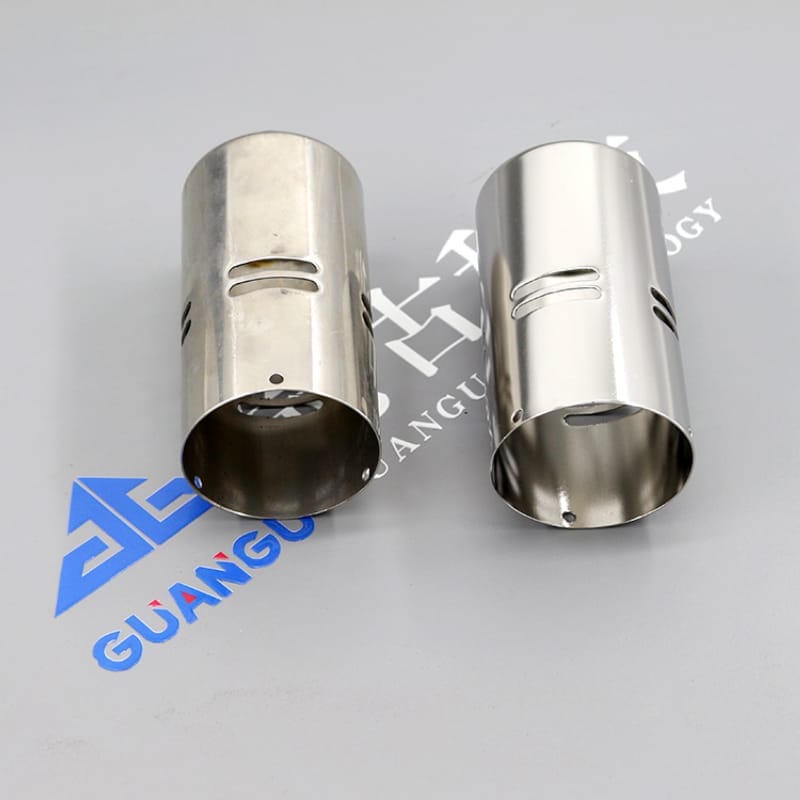
Stainless steel is used everywhere — buildings, medical tools, kitchen gear, and car parts. But its strength only holds up when the surface is properly finished. Scratches, rust spots, and factory grime can hurt both looks and performance.
Why Polish It? — A smooth surface fights corrosion better. It removes tiny cracks where moisture and dirt collect. In medical and food industries, smooth surfaces stop bacteria growth and meet safety rules (FDA, ISO 13485).
Mechanical Polishing — Start with coarse abrasives like silicon carbide. Move to fine compounds like diamond paste. You can reach surface roughness from Ra 10 μm down to Ra 0.01 μm. CNC systems now do this at scale with great consistency.
Chemical and Electrolytic Polishing — Acid baths dissolve surface peaks. This works well on complex shapes. Electropolishing goes further. It creates ultra-smooth surfaces (Ra < 0.02 μm) with better corrosion resistance. It is the gold standard for medical devices.
Magnetic Polishing — For high volumes of small-to-medium parts, magnetic polishing is fast, consistent, and cost-effective. The pins float in the field, so there is no contact pressure. Dimensions stay accurate. Results match electropolishing — without the chemical waste.
Grade Matters — 304 and 316 stainless steel polish differently. 316 contains molybdenum and is harder. Always match your abrasive and settings to the specific grade.
After Polishing — Use pH-neutral cleaners and soft cloths. Avoid chlorine products and steel wool. Cover idle parts to prevent contamination. Light re-polishing can restore shine without hurting the material.
Need Expert Advice on Metal Finishing?
Our team can recommend the right polishing solution for your specific application.
Get a Free Consultation